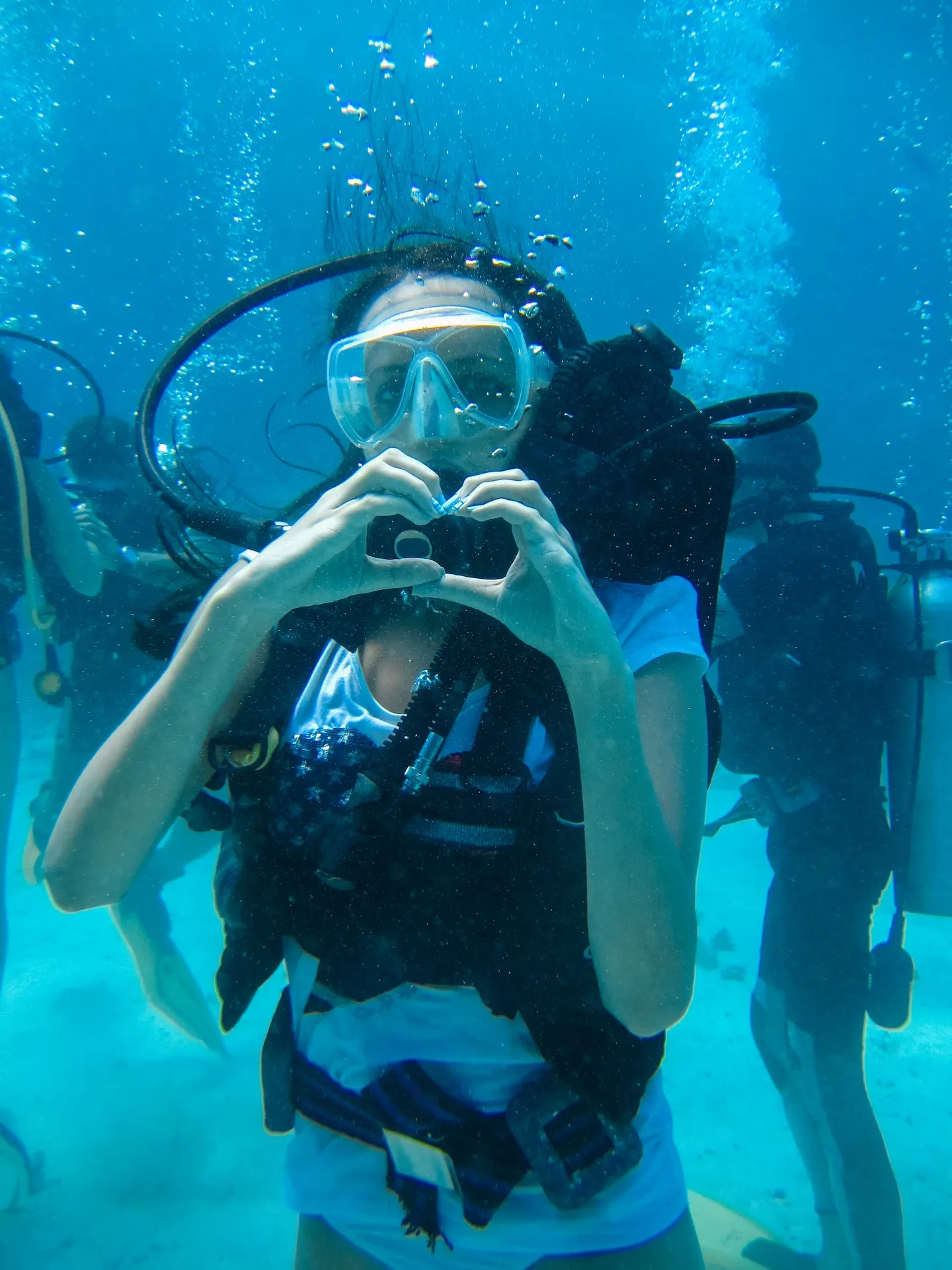
Ocean Spotter est né d'une question : que devient réellement tout ce que nous voyons lors de nos plongées ? Les carnets de plongée prennent la poussière dans des tiroirs, les photos s'accumulent dans des dossiers cloud privés, et des équipes de recherche cherchent pendant des années des données que des plongeurs ont déjà collectées. Nous pensons que ces connaissances sont trop précieuses pour être perdues.
Cette plateforme est notre tentative de bâtir des ponts — entre les plongeurs et la recherche, entre des observations individuelles et des décisions de conservation, entre une plongée aujourd'hui et des découvertes sur des évolutions dans dix ou vingt ans.
Les observations qui resteraient sinon dans des carnets privés deviennent partie intégrante d'un patrimoine de connaissances partagé — si vous prenez le temps de les saisir proprement ici.
Vos observations restent liées à votre nom et sous votre contrôle. Quiconque travaille scientifiquement avec les données le fait dans des conditions ouvertes et documentées.
Nous bâtissons la plateforme que nous aurions souhaitée en tant que plongeurs. Une plateforme qui prend nos observations au sérieux, traite les données avec respect et reste compatible avec la science. Ces principes ne sont pas négociables :
Vos observations ne sont ni vendues ni échangées contre des publicités tierces. Quiconque exploite scientifiquement les données le fait dans des conditions ouvertes et documentées — pas en secret.
Pas de publicité tierce, pas de traceurs de régies publicitaires, pas d'algorithmes qui revendent votre attention.
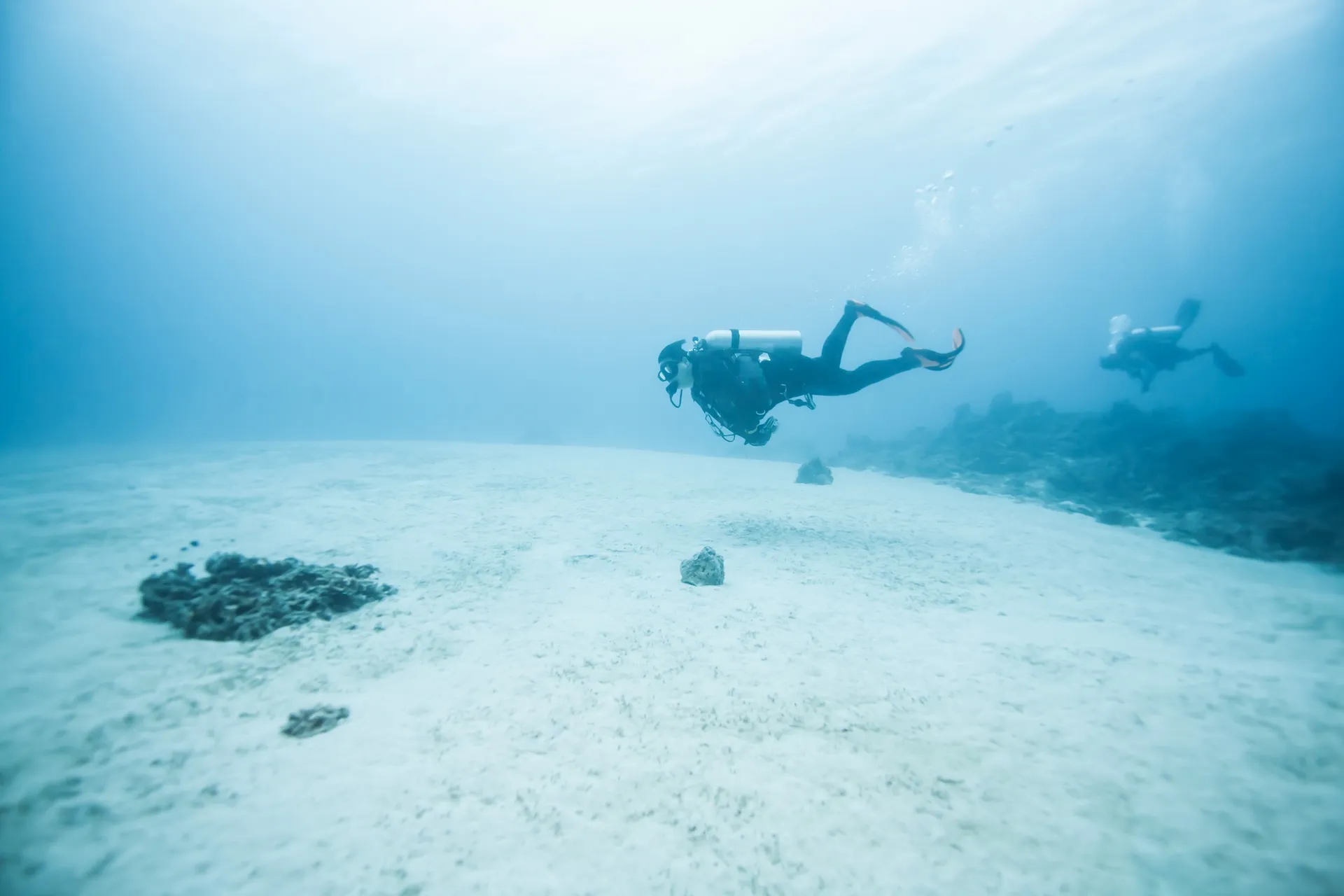
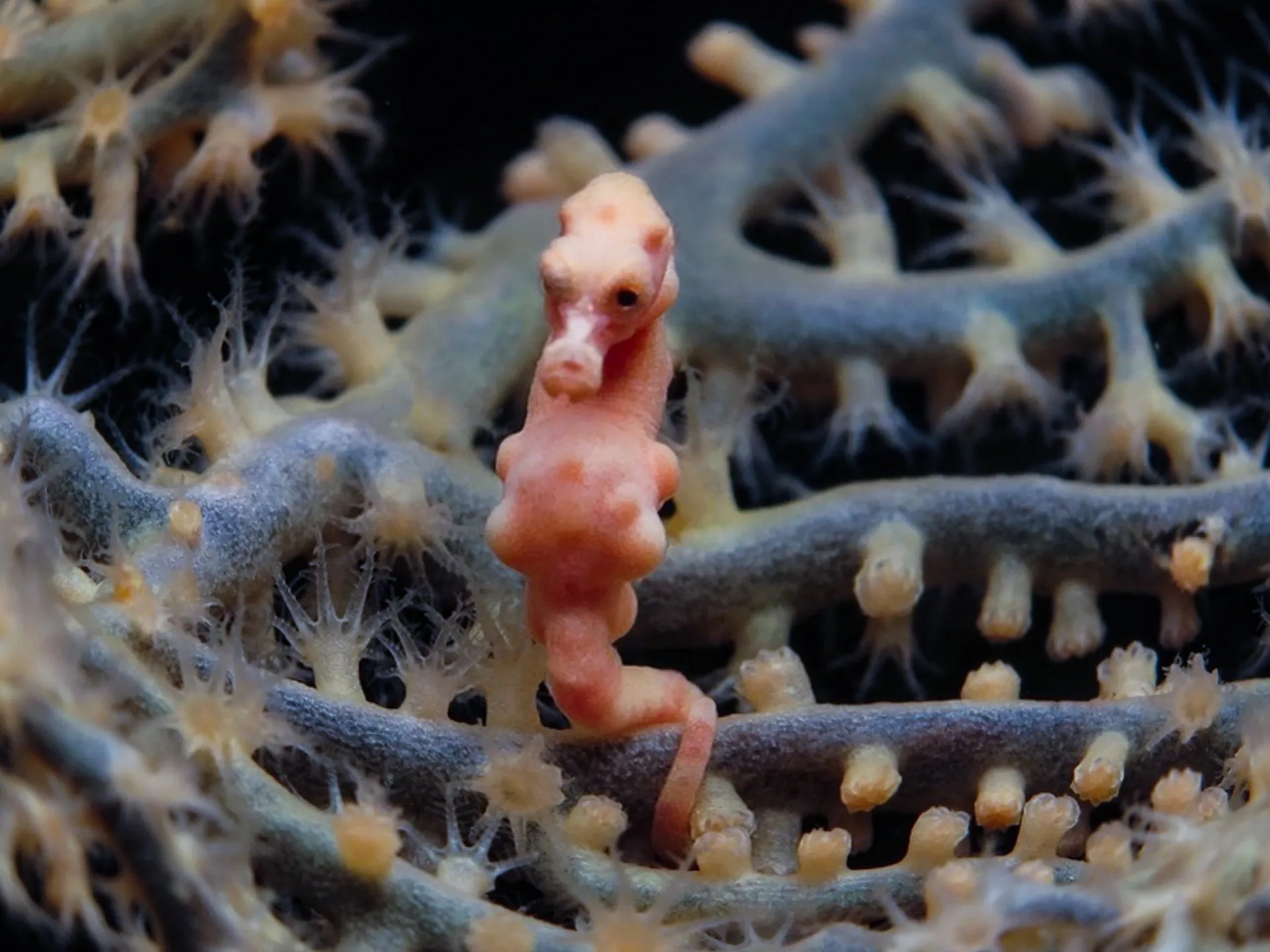
Il existe beaucoup de plateformes proposant des observations, des spots de plongée ou des recommandations de sorties. Ce qu'elles combinent rarement, ce sont des données fiables réellement exploitables pour la recherche et la conservation. C'est précisément ce que nous proposons.
D'autres membres peuvent vérifier, compléter et attribuer vos observations à une espèce. Une supposition devient ainsi une donnée fiable — pas seulement une auto-déclaration.
Ce que vous partagez reste lié à votre nom — vous gardez le contrôle. Les équipes de recherche ou les ONG qui exploitent les données le font dans des conditions ouvertes et documentées, pas en secret.
Pas de publicité tierce, pas de traceurs, pas de vente de votre attention. Ce que vous voyez ici ne dépend d'aucun budget publicitaire.
Champs standardisés, interfaces ouvertes, identifications claires. Qui travaille avec des données d'observation peut les intégrer sans friction dans ses propres analyses.
Si cela vous semble également important — votre contribution sera la bienvenue.
Ce qui commence par une observation individuelle poursuit son chemin — vers des études, des demandes de zones protégées, des supports pédagogiques. Voici quelques voies concrètes que prennent vos observations.
Universités, instituts de recherche marine et organisations de conservation utilisent les données d'observation pour suivre les populations, détecter les schémas de migration et plaider pour de nouvelles zones protégées.
Écoles, universités et projets éducatifs s'appuient sur des données publiquement disponibles pour étayer des thèmes comme la biodiversité et le changement climatique par des observations réelles.
sur demande
info@hanki.com

Cerveau et développement

Coordination technique
Comptabilité et finances

Service client